
The Origins of C3 Fiji: Marine Conservation on the Great Sea ReefCommunity Marine Conservation, Endangered Species Research and Reef Rangers | 2010–2016
Early work on Kia Island
C3 Fiji began working with communities on Kia Island in 2010, establishing a long-term programme of marine conservation, scientific research and environmental education on the Great Sea Reef (Cakaulevu).
Situated off the northern coast of Vanua Levu, Kia Island is home to three fishing villages — Yaro, Ligau and Daku — whose livelihoods and cultural traditions are closely connected to the surrounding coral reefs and marine resources.
Working with traditional leaders, fishers, young people and government agencies, C3 Fiji developed an integrated programme combining endangered species research, coral reef monitoring, traditional ecological knowledge, community conservation training and environmental awareness.
Under the leadership of Akosita Rokomate-Nakoro, supported by Maleli Qera and local community representatives, these early initiatives established the foundations of C3 Fiji’s approach to conservation: combining sound science with practical skills, local leadership and community ownership.
The programme also established and expanded Reef Rangers, which subsequently became a major component of C3 Fiji’s environmental education work.
The programme subsequently expanded beyond Kia Island to other communities across Macuata Province, including a dedicated sea turtle conservation initiative in 2016. Building on established networks of Conservation Ambassadors and Reef Rangers, this work combined traditional ecological knowledge, community awareness campaigns and citizen reporting of threatened marine species.
Activities
Endangered Marine Species Research
Investigated the status and exploitation of endangered humphead wrasse (Cheilinus undulatus), locally known as varivoce, on the Great Sea Reef.
Research combined fishing landing surveys, underwater visual censuses, interviews with fishers and participatory mapping to examine fishing pressure, species distribution and important reef habitats.
The programme also promoted awareness of threatened marine species, including sea turtles, and the importance of protecting vulnerable reef populations.
Implemented a sea turtle conservation initiative across nine communities in Macuata Province, raising awareness of sea turtle ecology, threats and conservation measures.
The programme combined interviews with local fishers, traditional ecological knowledge and community-based education to improve understanding of threatened sea turtle populations.
Conservation Ambassadors delivered theatrical performances and awareness activities, supported by educational posters, T-shirts and a short conservation film. A community sea turtle sighting programme was also introduced to encourage local reporting of turtle observations.
The initiative built on C3 Fiji’s existing youth and community conservation networks, extending conservation messages across Kia Island and neighbouring coastal communities.
Community-Based Marine Monitoring
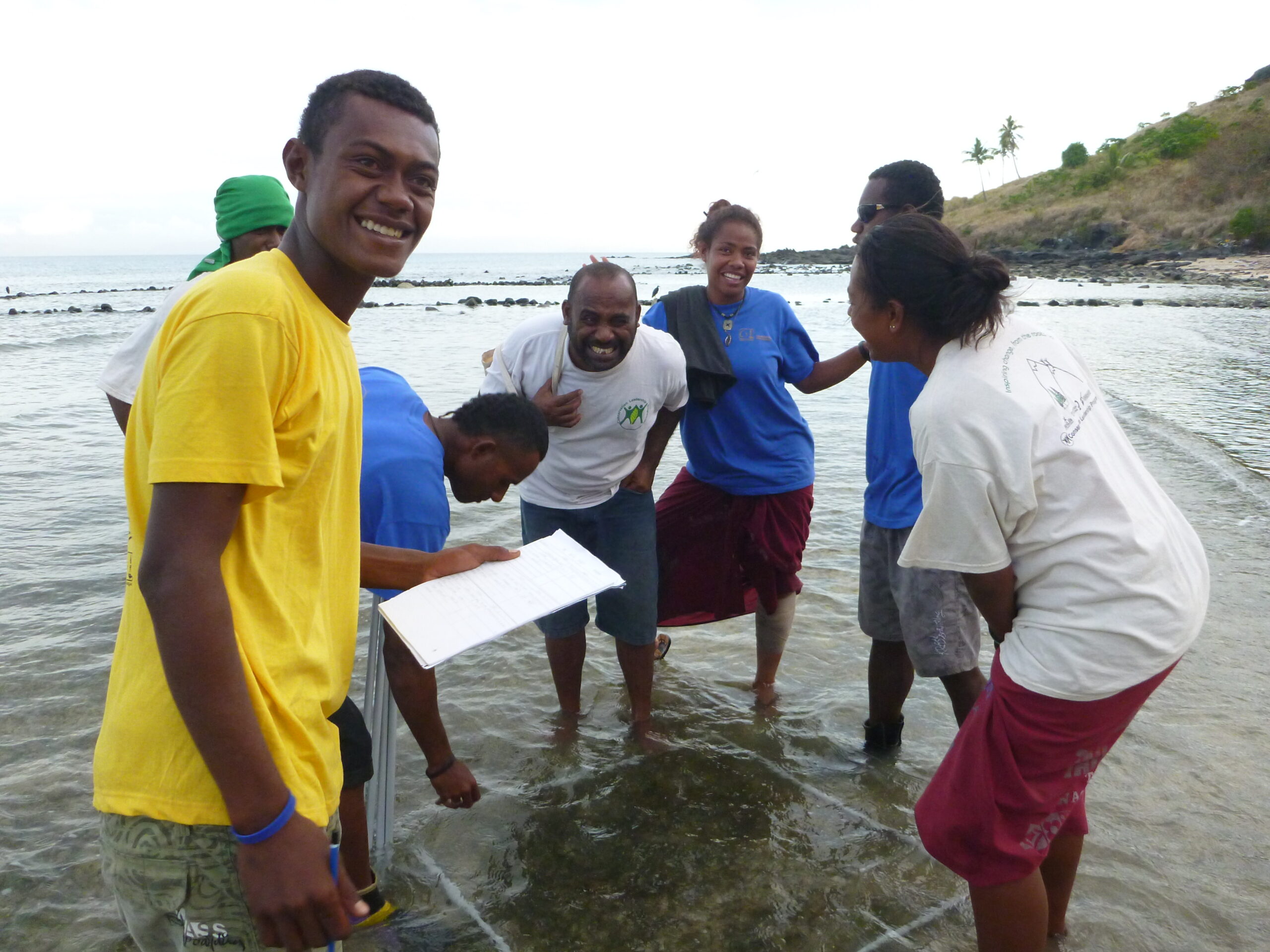
Trained local Conservation Ambassadors in standardised monitoring techniques, including Reef Check, Seagrass Watch, mangrove assessment and socioeconomic monitoring.
Working alongside scientific advisers and experienced fishers, community members developed practical skills in collecting ecological information and interpreting changes in their marine environment.
Conservation Ambassadors
Established and strengthened a network of community representatives trained to support marine conservation activities, environmental monitoring and public awareness.
Conservation Ambassadors helped organise field surveys, communicate findings and encourage wider community participation in marine resource management.
Reef Rangers and Environmental Education
Developed a youth-focused environmental education programme at Kia District School, introducing children to marine ecosystems, biodiversity and conservation.
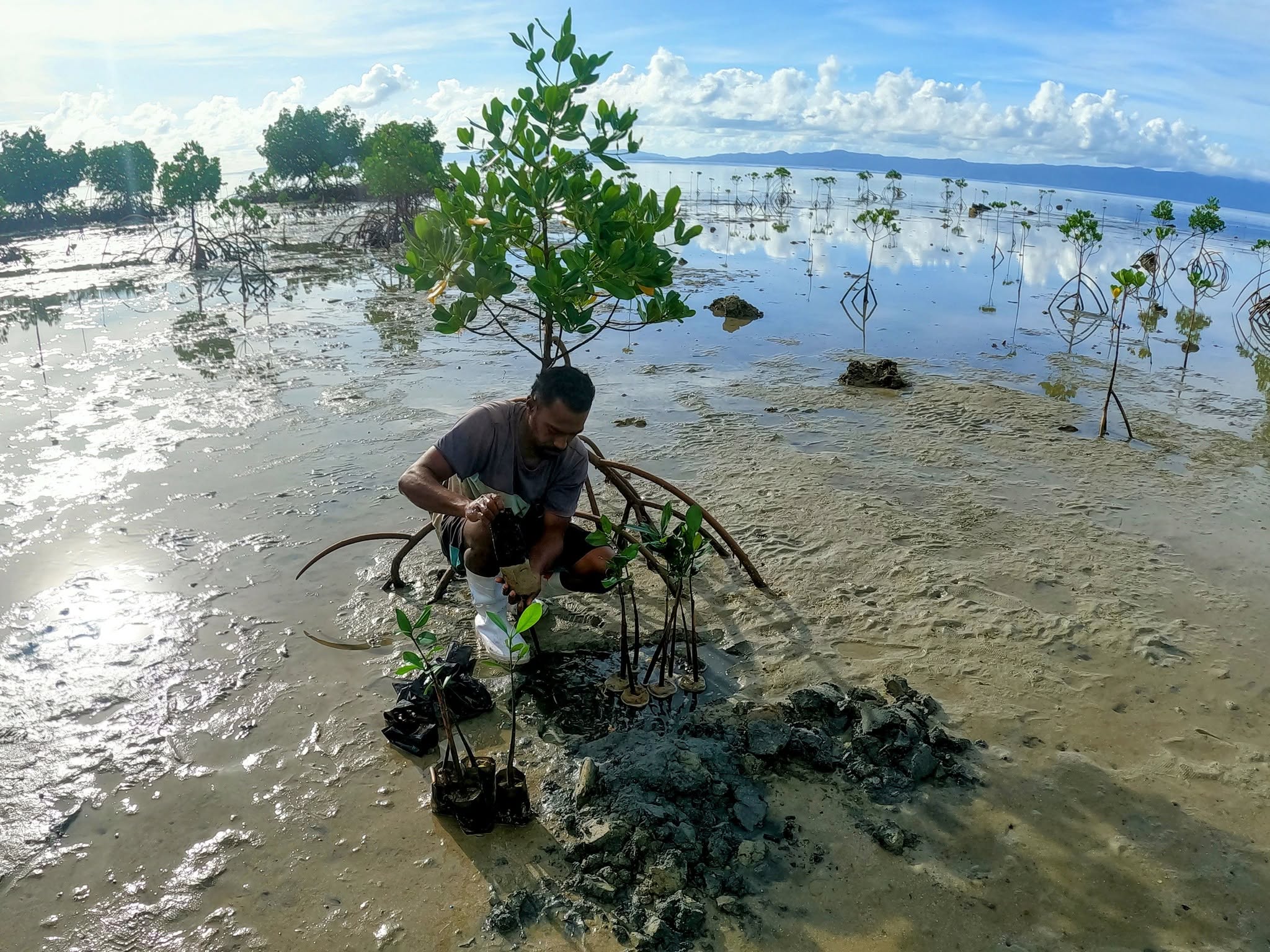
Classroom lessons were complemented by practical activities including beach clean-ups, coastal planting, habitat exploration and creative environmental awareness campaigns.
The programme encouraged young people to become active participants in protecting the marine resources on which their communities depend.
Traditional Knowledge and Community Engagement
Worked with local fishers, elders and customary resource owners to document knowledge of fishing practices, marine habitats and changes in the availability of important species.
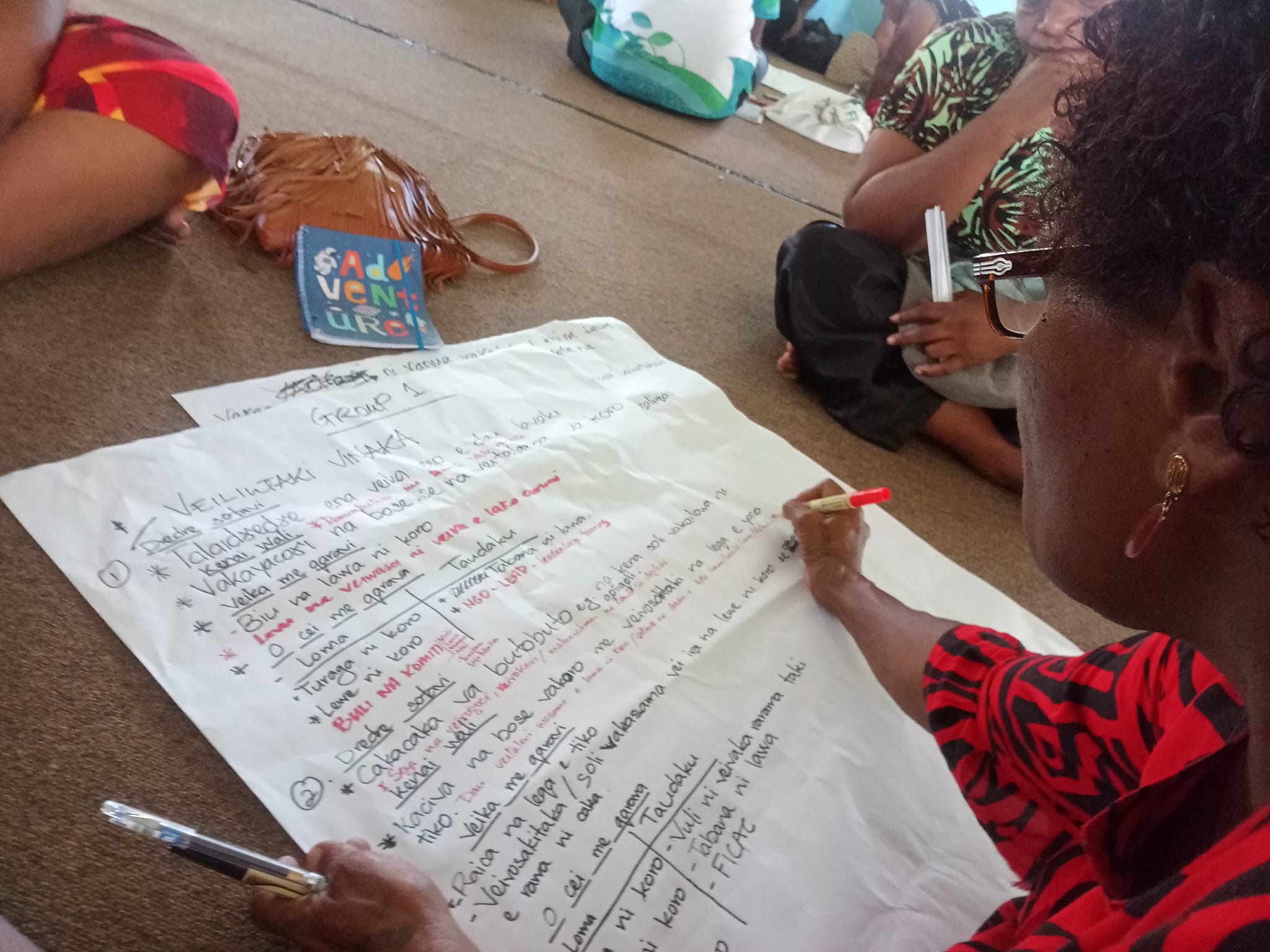
Community consultations and participatory activities helped connect traditional knowledge with scientific research and strengthen local understanding of conservation challenges.
Environmental Awareness and Outreach
Organised community events, workshops, educational campaigns and the annual Kia Island EcoFestival.
Conservation Ambassadors and Reef Rangers produced posters, information boards, conservation materials and video diaries to communicate environmental messages across the island and beyond.
Key Results
Community Conservation Ambassadors trained
Local representatives developed skills in coral reef monitoring, seagrass surveys, mangrove assessment, socioeconomic research and environmental communication.
194 humphead wrasse landings documented
Research conducted during 2012 recorded 194 humphead wrasse landings, with detailed catch data collected for 156 individuals, providing valuable information on fishing pressure and exploitation of this endangered species.
35 humphead wrasse sightings recorded
Underwater surveys across three reef sites documented 35 sightings, contributing to assessments of species distribution and the importance of protected reef habitats.
9 communities engaged in sea turtle conservation
Awareness activities reached Naqumu, Korotubu, Yaro, Ligau, Daku, Kavewa, Lakeba, Nabuna and Baleyaganiga, supported by Conservation Ambassador performances and educational outreach.
25 key informant interviews conducted
Interviews on Kia Island gathered local knowledge and information relevant to sea turtle conservation and community awareness.
Community sea turtle sighting programme established
A reporting initiative was launched across project sites, supported by a conservation film, 300 awareness T-shirts and 200 sea turtle life-cycle posters.
70 Reef Rangers engaged
Approximately 70 young people participated in environmental education through Kia District School, developing their understanding of marine ecosystems and conservation.
8 beach clean-ups and 4 coastal planting activities
Reef Rangers and community volunteers undertook practical conservation activities across Kia Island’s three villages.
15 conservation video diaries produced
Short films documented conservation research, education activities and community perspectives, helping communicate the programme’s work to wider audiences.
International recognition
Reef Rangers reached the global finals of the 2013 UNEP/Volvo Adventure Award, recognising the young participants’ voluntary environmental conservation work.
Lasting Impact
Building Conservation Capacity Within Communities
One of the most important achievements was the development of local conservation skills and leadership.
Through practical training and participation in research, Conservation Ambassadors gained experience in monitoring marine resources and communicating conservation information within their communities.
This helped establish a model in which scientific knowledge and conservation activities were increasingly managed and communicated by local people.
Connecting Traditional Knowledge and Marine Science
The programme demonstrated the value of combining fishers’ understanding of the Great Sea Reef with scientific monitoring.
Community knowledge helped identify important habitats and fishing grounds, while ecological surveys provided additional information to support conservation planning and resource management.
This approach was subsequently extended to sea turtle conservation, using local ecological knowledge, community reporting and environmental education to encourage wider participation in protecting threatened marine species.
Developing Reef Rangers
Reef Rangers became one of the programme’s most enduring achievements.
Beginning with environmental education on Kia Island, the initiative expanded to other schools and communities across northern Fiji, encouraging young people to participate in conservation and environmental leadership.
Establishing Long-Term Community Partnerships
By working closely with traditional leaders, fishers and young people, C3 Fiji established relationships that supported subsequent conservation activities across Macuata Province.
These partnerships helped lay the foundations for later programmes addressing marine resource management, habitat restoration, climate change adaptation and community enterprise development.
The Foundations of C3 Fiji
What began as a relatively small conservation initiative on Kia Island evolved into a broader programme of community-led environmental management.
The early experience of combining scientific research, environmental education and community participation continues to inform C3 Fiji’s approach to protecting coastal and marine ecosystems.
Contact
C3 FijiFlat 3, Lot 7, Gajraj Street, Naodamu, Labasa
C3 Fiji (Community Centred Conservation (Fiji) Limited), in accordance with the Companies Act, is registered as a non-profit organization in Fiji under the Registrar of Companies with Company Registration No. RCBS2014G3314.