

Building Climate Resilience of Fishing Communities in MacuataUSAID Pacific-American Climate Fund (PACAM) | Fiji | 2016–2018
Building Climate Resilience of Fishing Communities in Macuata
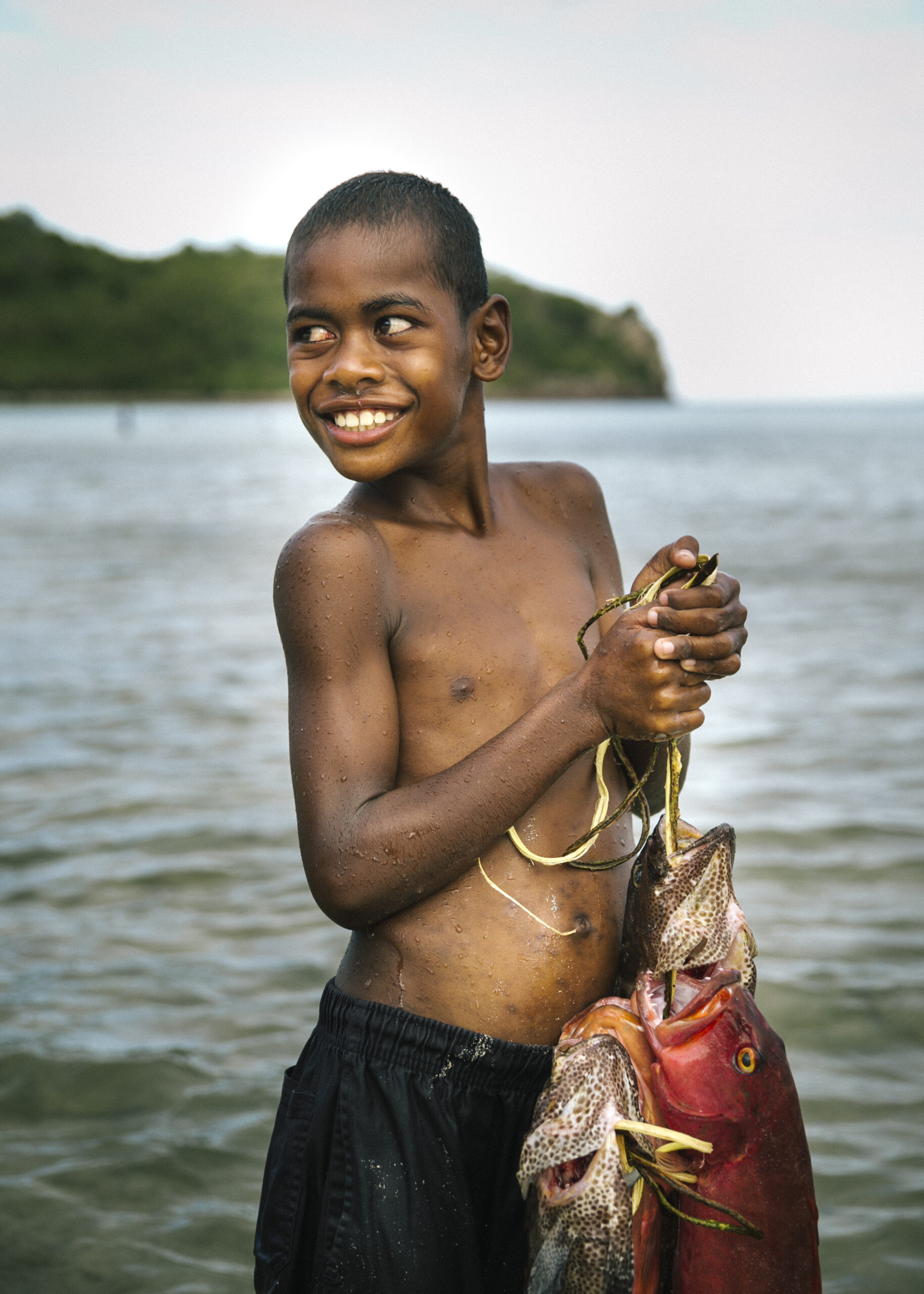
Between 2016 and 2018, C3 Fiji implemented a USAID-funded programme to strengthen the economic and environmental resilience of fishing-dependent communities in Macuata Province, northern Fiji.
Working across five project sites comprising eight coastal villages, the project supported communities to develop alternative sources of income, strengthen local enterprise skills and increase awareness of climate change and sustainable marine resource management.
A central element was the establishment of 15 community-managed enterprises, developed through participatory livelihood assessments, market research, business planning and practical training.
The programme worked closely with traditional leaders, women’s groups, young people and locally appointed Community Liaison Officers to ensure that enterprises reflected community priorities and local market opportunities.
By linking enterprise development with environmental education and community participation, the project sought to reduce economic vulnerability and strengthen communities’ capacity to respond to climate change.
Activities
Community Enterprise Development
Worked with communities to identify, assess and establish alternative income-generating activities. Enterprises included beekeeping, dalo cultivation, sandalwood planting, community canteens, tailoring, screen-printing and goat farming.
Participatory feasibility assessments and market research helped communities select businesses suited to their resources, skills and economic circumstances.
Business Planning and Entrepreneurship
Delivered practical business-development training covering financial management, organisational responsibilities, marketing, business planning and enterprise operations.
Fifteen business plans were developed, with follow-up evaluations and advisory visits helping communities identify operational challenges and opportunities for improvement.
Community-Based Monitoring and Support
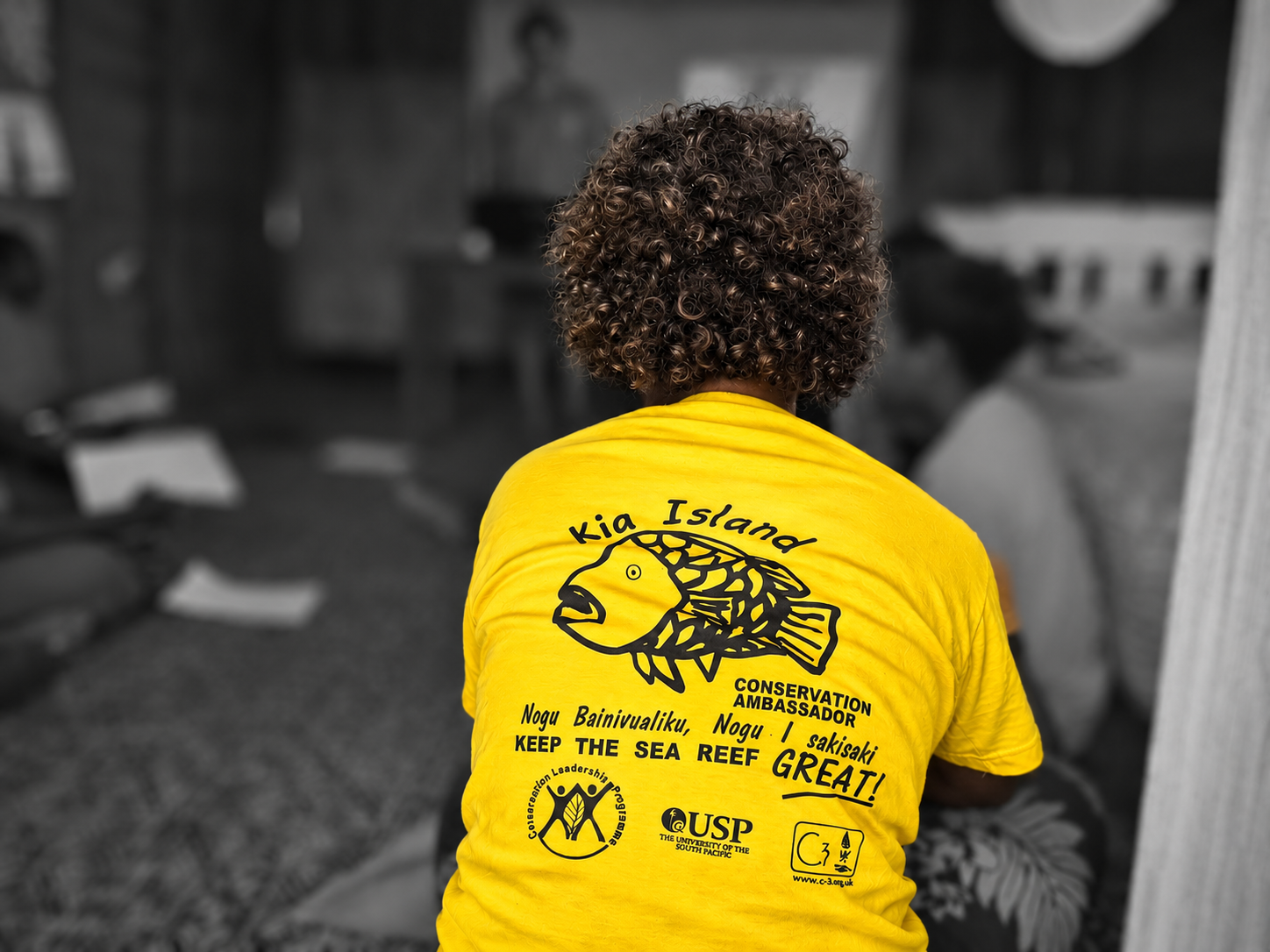
Recruited and trained ten Community Liaison Officers across the five project sites to support implementation, collect monitoring information, coordinate activities and maintain regular communication with community enterprises.
Socioeconomic baseline surveys were undertaken to establish information against which future livelihood outcomes could be assessed.
Climate Change Awareness and Marine Conservation
Delivered community awareness activities addressing climate change, adaptation, marine resource management and biodiversity conservation.
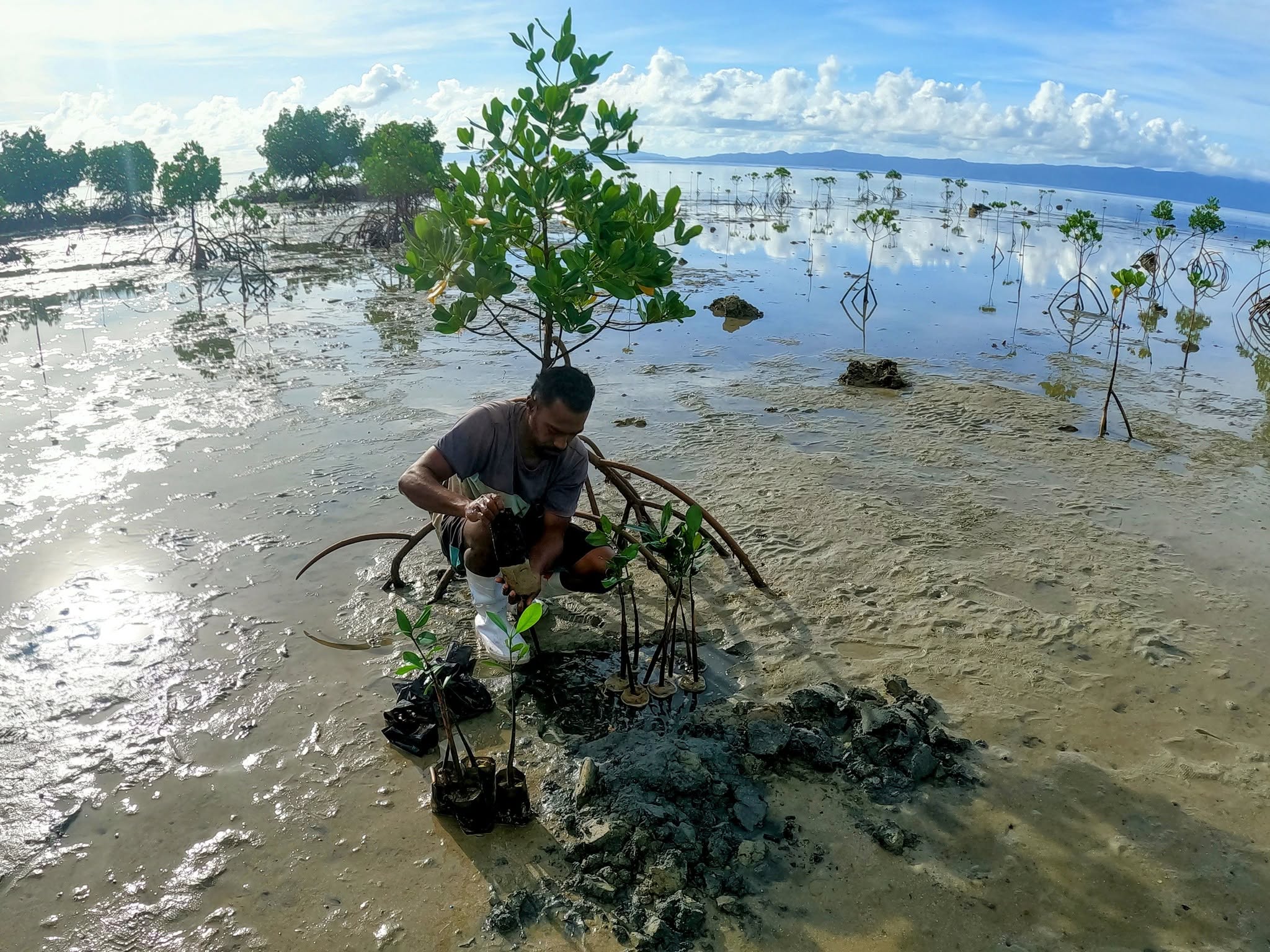
Topics included coral reefs, mangroves, endangered marine species, coastal pollution and practical steps communities could take to protect their natural resources.
Youth Leadership and Reef Rangers
Expanded environmental education through C3 Fiji’s Reef Rangers programme, engaging schoolchildren and young people in conservation activities.
Community-based activities included coastal clean-ups, reforestation, tree identification, composting and environmental awareness campaigns.
Community Exchange and Knowledge Sharing
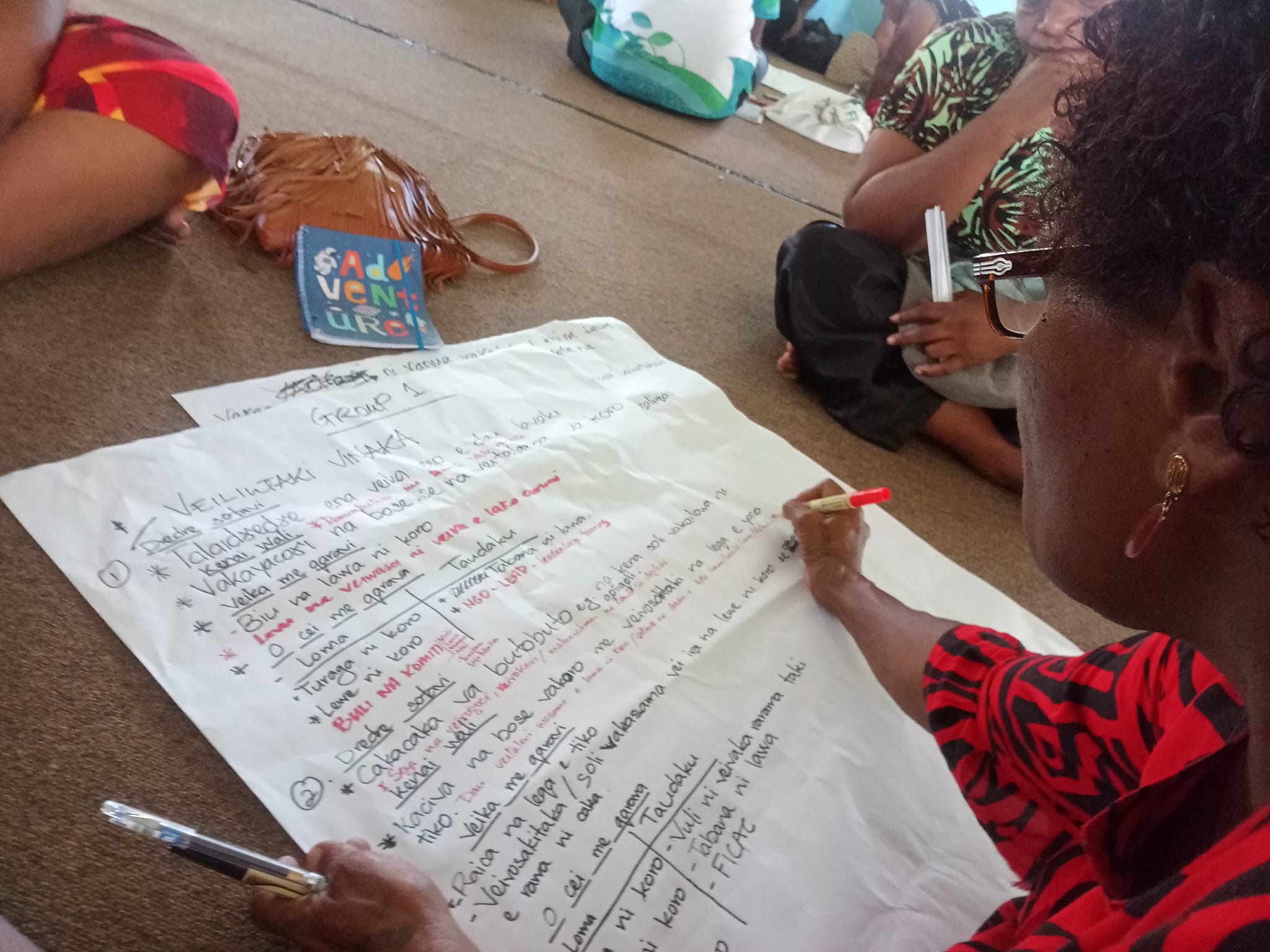
Organised exchanges, consultations and feedback sessions to share business-development experiences and lessons between communities.
These activities encouraged peer learning and provided opportunities to discuss the long-term management of community enterprises.
Key Results
15 community enterprises established
Supported the implementation of 15 locally managed livelihood initiatives across five project sites, spanning agriculture, beekeeping, retail, tailoring, screen-printing and livestock production.
15 business plans developed
Completed participatory livelihood assessments and business planning for the selected enterprises, with subsequent monitoring and technical advice.
10 Community Liaison Officers trained
Community representatives supported socioeconomic monitoring, project coordination, enterprise development and local environmental awareness activities.
134 households surveyed
Socioeconomic baseline surveys were completed across the five project sites, providing information to support the assessment of future economic changes.
196 people trained in environmental communication
Social marketing and outreach training engaged Community Liaison Officers, youth leaders and young people, strengthening local capacity to organise environmental awareness activities.
662 attendances at climate and marine resource awareness sessions
Community awareness sessions covered climate adaptation, sustainable marine resource management and the conservation of threatened species and coastal habitats.
390 schoolchildren and 20 teachers engaged
Reef Rangers outreach activities introduced environmental conservation and climate change concepts through practical, participatory learning.
Community exchange and follow-up support delivered
Business monitoring, technical training and community feedback sessions helped identify enterprise challenges and opportunities for improvement.
Lasting Impact
Developing Community Entrepreneurs
The PACAM programme demonstrated how community-led enterprise development can be integrated with marine conservation and climate adaptation.
By supporting communities to assess business opportunities, prepare financial plans and manage enterprises, the project helped develop practical entrepreneurial skills in remote coastal villages.
Diversifying Economic Opportunities
The establishment of 15 community enterprises created opportunities to develop alternative income sources alongside traditional fishing activities.
The project also highlighted the importance of continued technical support, financial management and access to markets in determining whether new community enterprises succeed over the longer term.
Strengthening Local Leadership
The training of Community Liaison Officers and youth leaders established local capacity to coordinate activities, monitor progress and support environmental awareness.
Community ownership and participation were central to the project’s implementation and provided a foundation for future initiatives.
Connecting Enterprise Development and Conservation
Through Reef Rangers and wider awareness activities, the project reinforced the relationship between healthy marine ecosystems, food security and community well-being.
The programme encouraged communities to view conservation and enterprise development as complementary components of climate resilience.
Lessons for Future Blue Economy Initiatives
PACAM provided C3 Fiji with valuable experience in assessing, establishing and supporting community-owned businesses.
An important lesson was that enterprise development requires sufficient time for community consultation, business planning, implementation, monitoring and ongoing support.
These experiences remain directly relevant to the development of community enterprises and conservation-linked investment opportunities across the C3 Network.
Contact
C3 FijiFlat 3, Lot 7, Gajraj Street, Naodamu, Labasa
C3 Fiji (Community Centred Conservation (Fiji) Limited), in accordance with the Companies Act, is registered as a non-profit organization in Fiji under the Registrar of Companies with Company Registration No. RCBS2014G3314.